Andrey
Zubets
Composer
Works
Music for theatre, film, television productions and instrumental ensembles.
Biography
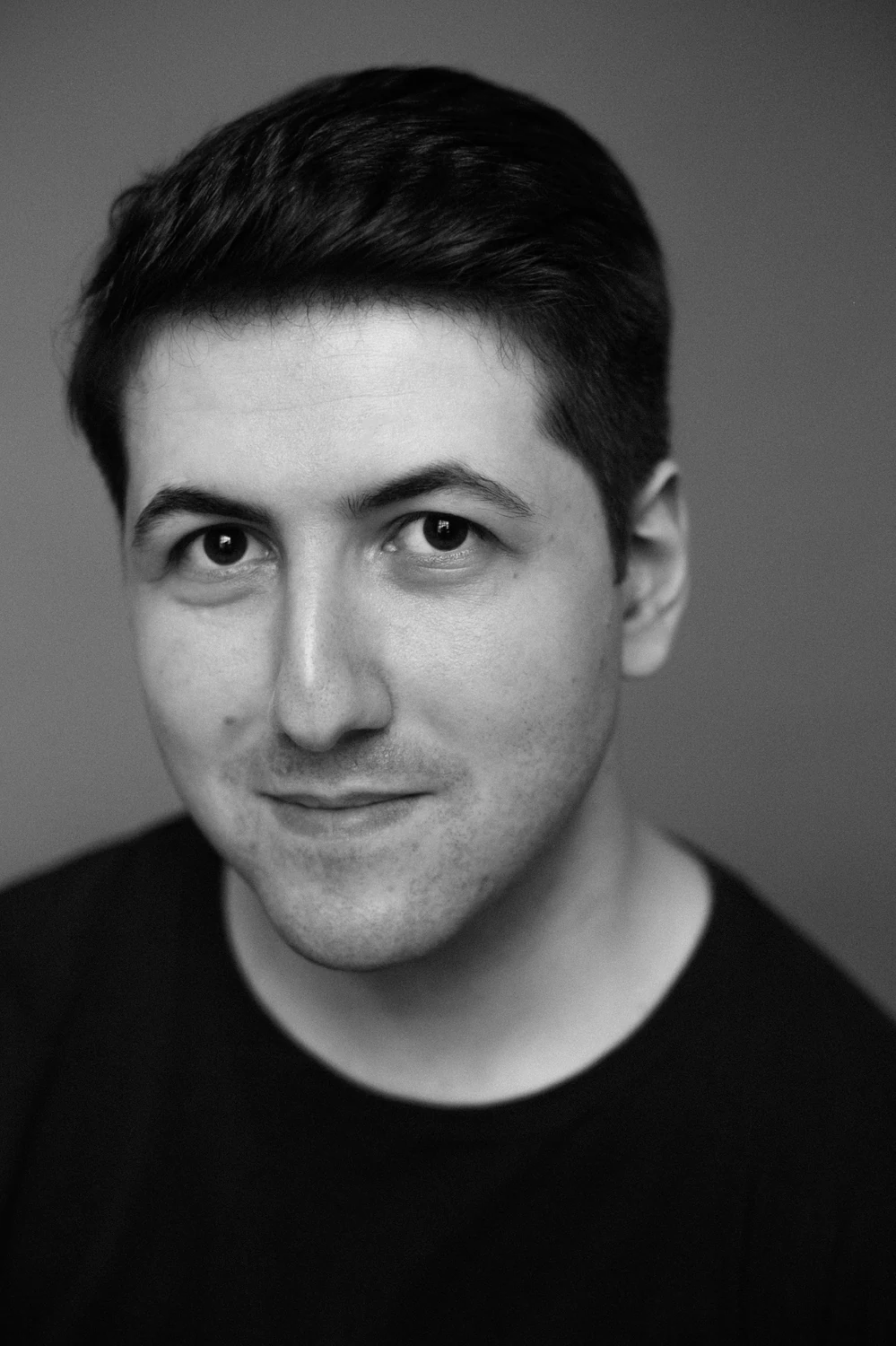
Andrey Zubets is a composer, arranger, producer and educator.
He writes symphonic and chamber music at the intersection of the classical tradition and contemporary genres, often combining acoustic and electronic sound.
Since 2015, he has composed music and created arrangements for numerous musical and dramatic theatre productions, as well as for films and television series.
In 2020, he won the Russian national Partitura composers’ competition with Music to Light, a symphonic suite for cello, electronics and orchestra.
He was awarded First Prize at the 2026 Abu Dhabi International Composition Competition in the United Arab Emirates for Mirror Preludes, a cycle for solo piano.
Since 2018, he has headed the Music Production and Sound Engineering Department at the Gnessin Moscow Special School of Music. It is Russia’s first state educational programme to combine computer-based arranging, composition, music production and sound engineering within a single curriculum.
He is the author of the textbook Fundamentals of Music Technology: Computer-Based Arranging and Orchestration, Electronic Music, published by Planeta Muzyki in 2024.
Music Production & Sound Engineering

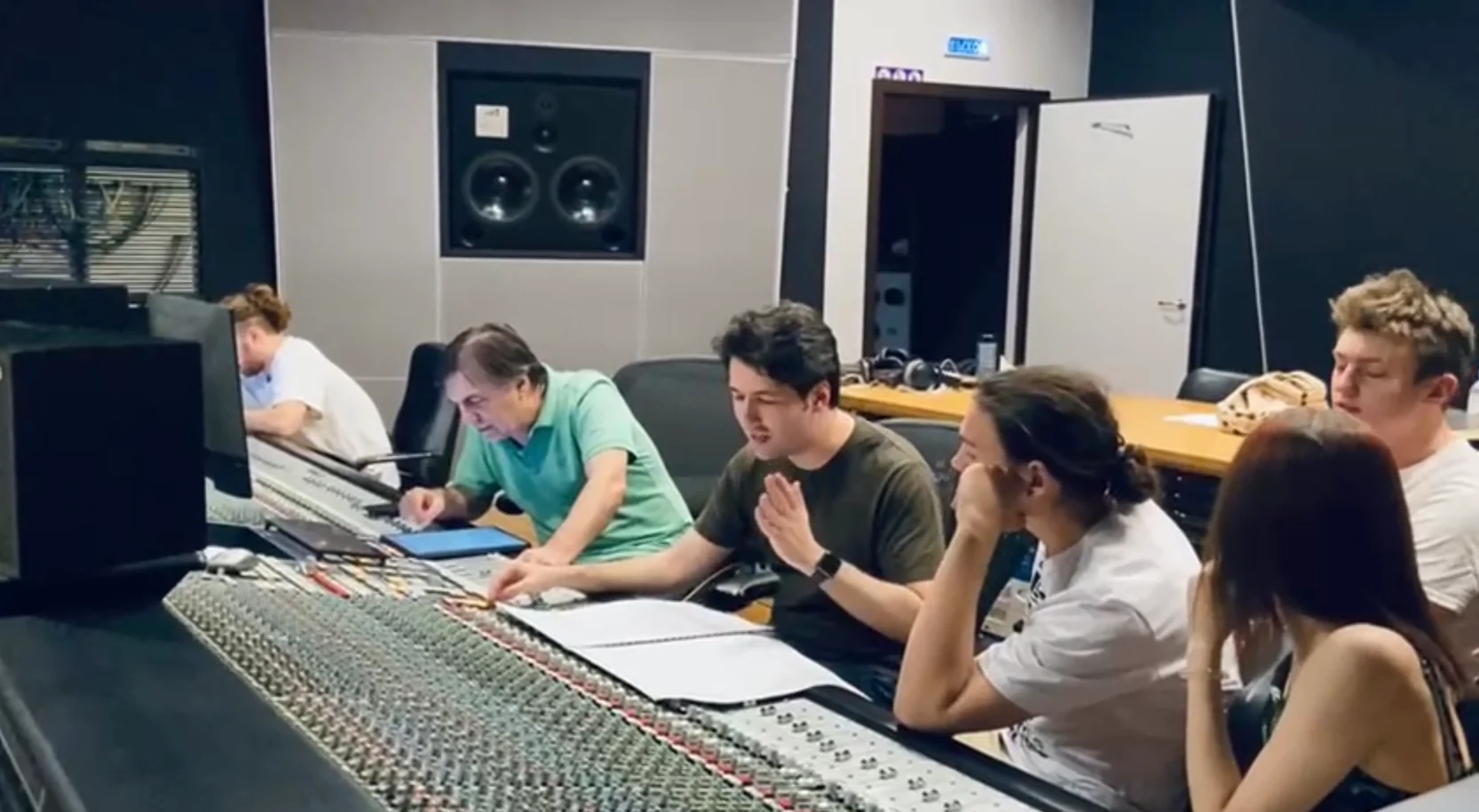
In 2018, Andrey Zubets founded the Music Production and Sound Engineering Department at the Gnessin Moscow Special School of Music — Russia’s first state educational programme to unite computer-based arranging, sound engineering and composition within a single specialisation. This approach makes it possible to train a new generation of musicians for the music industry of today and tomorrow. On the one hand, students gain a strong academic foundation in music theory, harmony and music history; on the other, they develop an in-depth command of contemporary music technology and the entire process of creating a musical work: from composition, sound design, synthesis and computer-based arranging to studio recording, mixing and mastering.
It is virtually impossible to master such a broad range of disciplines in only four years through a traditional model in which subjects are taught in isolation from one another. The department therefore structures its curriculum around integrated creative projects. When producing a song, for example, a student moves through every stage — from composition, arranging and sound design to recording, editing, mixing and mastering — completing specific tasks in each class as part of a single shared project.
In this way, every discipline is interconnected and serves one purpose: the creation of a finished musical work. The faculty act not only as lecturers, but also as mentors and consultants. Each teacher, working within their own professional field, guides students through the relevant stage and helps bring the complete project to fruition.
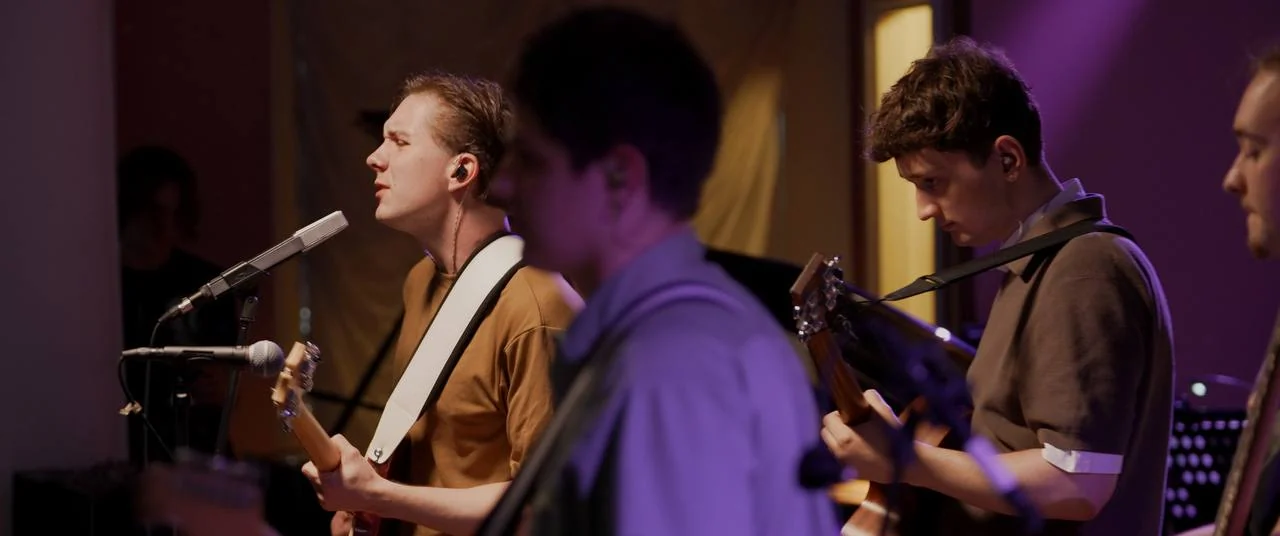
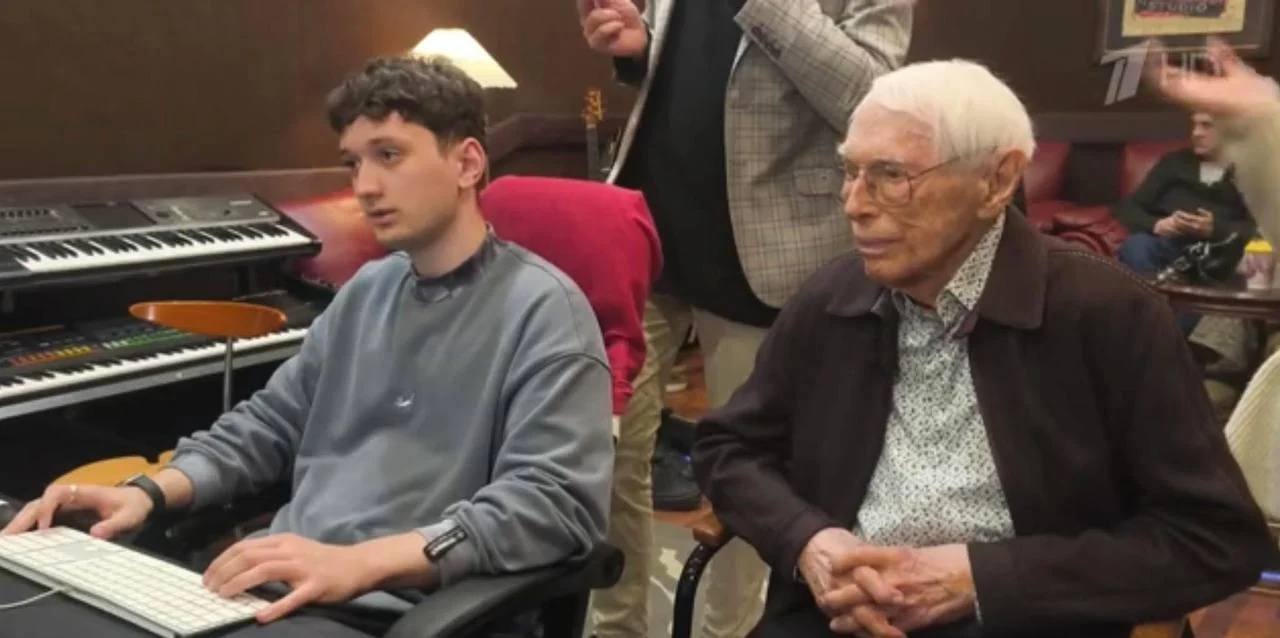
This approach has already proved highly effective. By the age of nineteen or twenty, students from the department are not merely working in the professional industry alongside established specialists: they are holding senior engineering positions at the country’s leading recording studios, heading sound departments in theatres and film companies, and composing music for film and theatre.
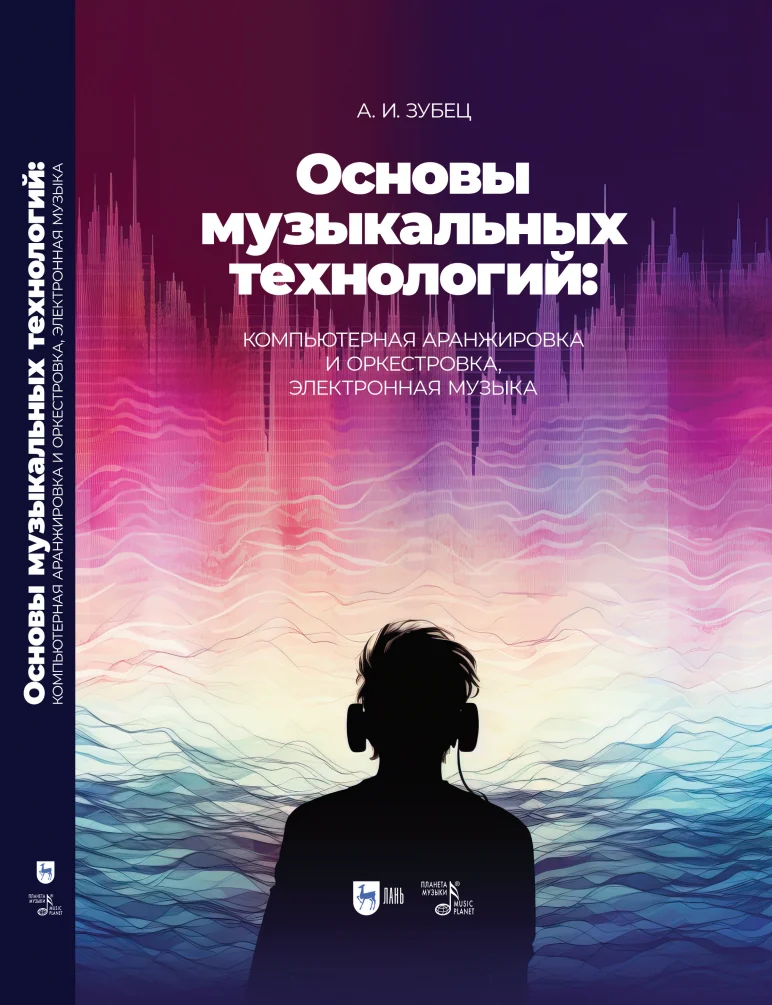
Fundamentals of Music Technology
The first Russian publication devoted to current approaches to computer-based arranging and music technology. The textbook covers a wide range of practical and theoretical aspects of music creation using virtual instruments and MIDI, audio effects and sound synthesis.
It examines the history and contemporary genres of electronic music in detail, together with the musical craft of arranging: harmony, rhythmic structures, musical form and instrumentation. A defining feature of the book is its distinctive approach to analysing musical techniques. Rather than separating them by genre, or dividing technical considerations from creative ones, it presents technology through the lens of specific artistic objectives, offering a practical and accessible way to explore complex musical concepts.
This approach reflects the realities of the twenty-first century. With the rise of home studios, an increasing number of musicians compose, arrange and record their work independently. The book is intended to broaden the creative toolkit of today’s musician, whatever style of music they work in.
Who is this book for? For musicians with a formal education who want to take their first steps in creating music on a computer. For those who already produce computer-based arrangements but want to deepen their knowledge. And for any musician curious to learn more about MIDI, sound synthesis, digital audio workstations, audio effects, virtual orchestras and sample libraries — as well as the history of electronic music, microtonality, negative harmony and many other subjects that are not directly technological, yet are important to everyone who writes music.
This is certainly not a Cubase for Dummies kind of book. It contains very few step-by-step instructions, because YouTube tutorials and software manuals already serve that purpose. Nor does it prescribe what one “should” or “should not” do: contemporary music does not belong within such rigid categories. Some readers may finish the book with even more questions than they had when they began. But they will be new and unexpected questions — and discovery begins with questions like these.
View the Book on the Publisher’s Website